




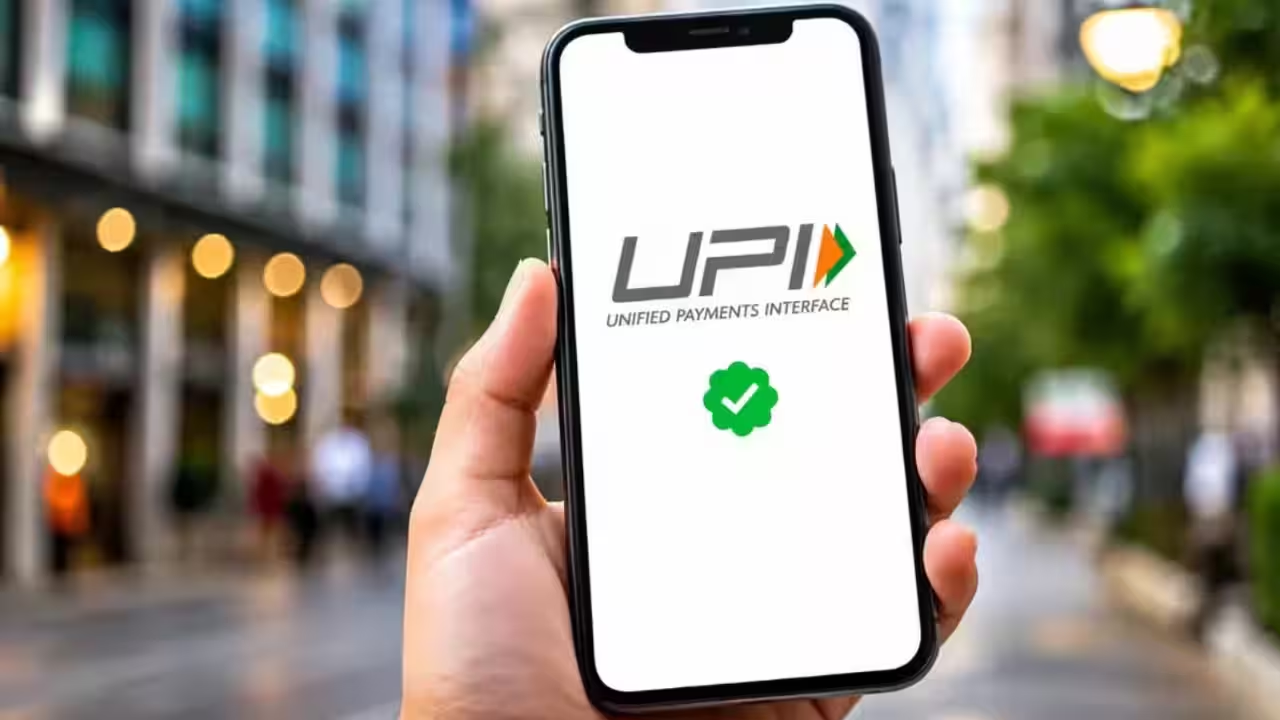
A major controversy has erupted in India regarding the NPCI’s new framework. Under the new rules, a Merchant Discount Rate (MDR)—or a fee—of 0.4 percent is set to be levied on merchant payments exceeding ₹2,000. With this rule scheduled to come into effect on October 15, 2026, dissatisfaction has arisen among the general public and the business community.
Why is there opposition to the MDR?
Opposing this rule, the Chamber of Trade and Industry (CTI) has stated that imposing a charge on UPI payments above ₹2,000 will force people to revert to using cash. Bills often exceed ₹2,000 when purchasing weekly groceries or other daily essentials. Given the situation, there are concerns that people might shy away from digital payments for fear of incurring transaction charges. Amidst the ongoing political and social discourse in India, it is also interesting to look at the regulations governing digital payments in neighboring Pakistan.
India’s renowned UPI network does not operate in Pakistan. However, the country’s central bank has developed a government-backed digital payment system called ‘Raast,’ which facilitates money transfers using mobile numbers—or ‘Raast IDs.’ Various apps such as Easypaisa, JazzCash, SadaPay, and Konnect by HBL are used in Pakistan. The State Bank there has capped the MDR at a maximum of 0.25 percent for payments made to merchants via ‘Raast P2M’, and the government also provides a 0.5 percent subsidy for this. In contrast, private fintech apps like SadaPay or NayaPay charge merchants a much higher MDR—ranging from 1.5% to 3.5%—for payments made via credit/debit cards or wallets. In essence, while the government’s ‘Raast’ QR code system offers a subsidy, merchants are required to pay steep fees when using private digital wallets and cards.


